
Winter frost can have a significant impact on flowers, causing damage to delicate petals and leaves. When temperatures drop below freezing, the water inside plant cells can freeze, leading to cell damage and ultimately death of the plant. Additionally, frost can cause the expansion and contraction of plant tissues, leading to ruptured cell walls and tissue damage. This can result in wilting, browning, and even death of the plant.
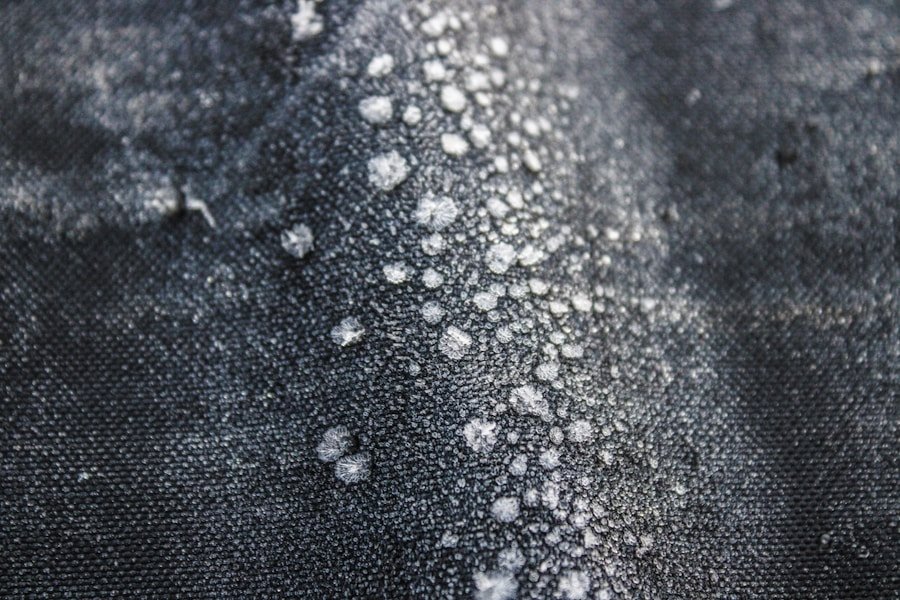
Furthermore, frost can also affect the ability of plants to absorb water and nutrients from the soil, leading to dehydration and nutrient deficiencies. In some cases, frost can also lead to the formation of ice crystals on the surface of the plant, which can cause physical damage to the plant’s tissues. Understanding the impact of winter frost on flowers is crucial for selecting appropriate protective measures and choosing frost-resistant flower varieties.
Selecting Frost-Resistant Flower Varieties
When it comes to protecting flowers from winter frost, selecting frost-resistant flower varieties is essential. Some flowers are naturally more tolerant to cold temperatures and are better equipped to withstand frost. When choosing flower varieties for your garden, look for those that are labeled as “cold-hardy” or “frost-resistant.” These varieties have been specifically bred to withstand colder temperatures and are more likely to survive winter frost.
Some popular frost-resistant flower varieties include pansies, snapdragons, winter jasmine, and hellebores. These flowers are known for their ability to thrive in colder climates and are less susceptible to damage from frost. By selecting frost-resistant flower varieties, you can ensure that your garden will continue to bloom even in the coldest months of the year.
Implementing Protective Measures for Flower Beds
In addition to selecting frost-resistant flower varieties, implementing protective measures for flower beds can help safeguard your flowers from winter frost. One effective method is to create a barrier around your flower beds using burlap or frost cloth. These materials can help trap heat and protect your flowers from freezing temperatures. Additionally, you can also use plastic or glass cloches to cover individual plants and provide them with extra protection from frost.
Another protective measure is to add a layer of organic mulch around your flower beds. Mulch acts as an insulating layer, helping to regulate soil temperature and protect plant roots from freezing. Additionally, mulch can also help retain moisture in the soil, which is essential for the health of your flowers during the winter months. By implementing these protective measures for your flower beds, you can help ensure that your flowers will survive winter frost and continue to thrive.
Utilizing Mulch and Covers to Shield Flowers from Frost
One effective way to shield flowers from winter frost is by utilizing mulch and covers. Mulch acts as a protective layer, insulating the soil and helping to regulate temperature fluctuations. By adding a thick layer of mulch around your flowers, you can help prevent the soil from freezing and protect the roots of your plants from damage.
Additionally, using covers such as burlap or frost cloth can provide an extra layer of protection for your flowers. These covers can help trap heat and prevent frost from settling on your plants, reducing the risk of damage. When using covers, be sure to secure them in place to prevent them from blowing away in strong winds.
Another option for shielding flowers from frost is to use plastic or glass cloches. These covers can be placed over individual plants to provide them with extra protection from freezing temperatures. By utilizing mulch and covers to shield your flowers from frost, you can help ensure that they will remain healthy and vibrant throughout the winter months.
Adjusting Watering and Fertilizing Practices for Winter
During the winter months, it’s important to adjust your watering and fertilizing practices to help protect your flowers from winter frost. Overwatering can lead to waterlogged soil, which can make plants more susceptible to frost damage. To prevent this, reduce the frequency of watering during the winter months and only water when the soil is dry.
Similarly, it’s important to adjust your fertilizing practices during the winter. Fertilizing plants during cold weather can stimulate new growth, which can make them more vulnerable to frost damage. Instead, focus on providing your plants with a balanced fertilizer in the fall to help them prepare for the winter months. By adjusting your watering and fertilizing practices for winter, you can help protect your flowers from the damaging effects of frost.
Monitoring Weather Conditions and Acting Accordingly
One of the most important aspects of protecting flowers from winter frost is monitoring weather conditions and acting accordingly. Keep an eye on weather forecasts and be prepared to take action if freezing temperatures are predicted. If frost is expected, cover your flowers with burlap or frost cloth, or use plastic or glass cloches to provide them with extra protection.
Additionally, be mindful of sudden temperature drops and be prepared to take action to protect your flowers. If temperatures are expected to plummet overnight, consider covering your flowers with a layer of mulch or bringing potted plants indoors to protect them from freezing temperatures. By monitoring weather conditions and acting accordingly, you can help safeguard your flowers from winter frost and ensure that they will continue to thrive.
Seeking Professional Advice for Winter Frost Defense
If you’re unsure about how to protect your flowers from winter frost, don’t hesitate to seek professional advice. Local garden centers and nurseries often have knowledgeable staff who can provide guidance on selecting frost-resistant flower varieties and implementing protective measures for your garden. Additionally, consider consulting with a professional landscaper or horticulturist who can offer personalized advice based on the specific needs of your garden.
Furthermore, professional advice can be especially valuable if you’re dealing with rare or exotic flower varieties that require specialized care during the winter months. By seeking professional advice for winter frost defense, you can gain valuable insights and recommendations that will help you protect your flowers from the damaging effects of frost.
In conclusion, understanding the impact of winter frost on flowers is crucial for selecting appropriate protective measures and choosing frost-resistant flower varieties. By implementing protective measures such as using mulch and covers, adjusting watering and fertilizing practices, monitoring weather conditions, and seeking professional advice, you can help safeguard your flowers from winter frost and ensure that they will continue to thrive even in the coldest months of the year. With careful planning and proactive measures, you can enjoy a beautiful garden full of vibrant blooms throughout the winter season.