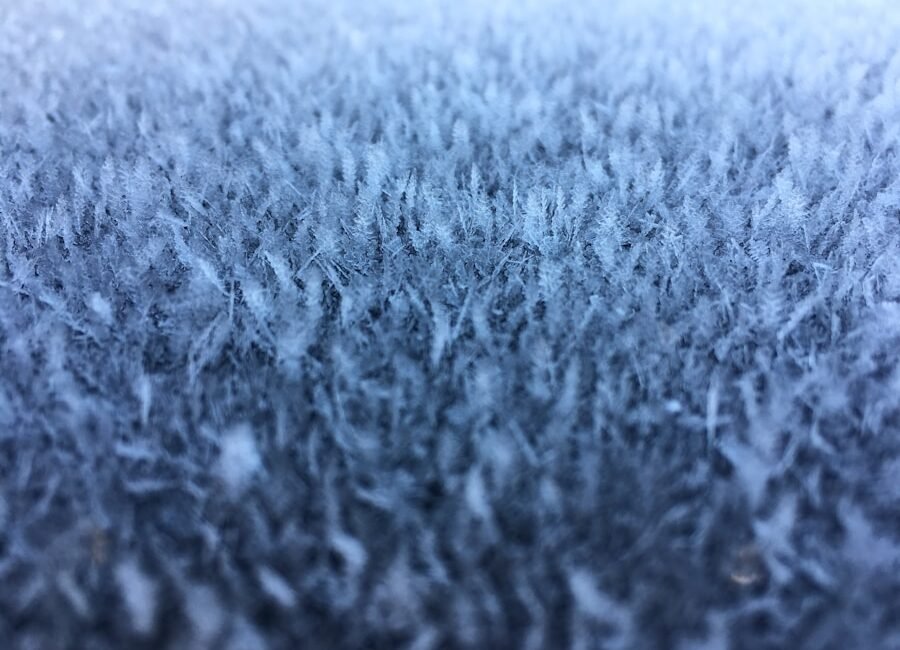

Frost occurs when the temperature drops below freezing, causing ice crystals to form on the surface of plants. This can be damaging to flowers, as the ice crystals can pierce the cell walls of the plant, leading to dehydration and tissue damage. Additionally, frost can cause the water inside the plant cells to freeze, leading to further damage. Understanding the effects of frost on flowers is crucial for gardeners, as it allows them to take appropriate measures to protect their plants.
Frost can cause a range of damage to flowers, including wilting, browning of leaves, and even death of the plant. In some cases, the damage may not be immediately apparent, as it can take several days for the full extent of the damage to become apparent. It is important for gardeners to be vigilant and monitor their plants closely after a frost event, as this will allow them to take action to mitigate the damage.
Choosing the Right Plants for Cold Weather
When it comes to choosing plants for a garden that will be exposed to cold weather, it is important to select species that are hardy and able to withstand freezing temperatures. Some plants are more resilient to cold weather than others, and choosing the right plants can make a big difference in how well a garden fares during the winter months. Some examples of cold-hardy plants include hellebores, winter jasmine, and snowdrops.
In addition to choosing cold-hardy plants, it is also important to consider the specific climate and growing conditions of the garden. Different regions have different average temperatures and frost dates, so it is important to choose plants that are well-suited to the local climate. It is also important to consider factors such as soil type and drainage, as these can affect how well plants are able to withstand cold weather.
Implementing Protective Measures for Flower Beds
There are several protective measures that gardeners can implement to help protect their flower beds from frost damage. One of the most effective methods is to cover the flower beds with a layer of mulch. Mulch helps to insulate the soil and protect the roots of the plants from freezing temperatures. It also helps to retain moisture in the soil, which can be beneficial during periods of cold weather.
Another protective measure that can be taken is to use row covers or cloches to protect individual plants from frost. These covers can be made from materials such as plastic or fabric, and they help to create a barrier between the plants and the cold air. This can help to prevent frost damage and keep the plants warm and healthy.
Using Coverings and Mulch to Insulate Plants
Coverings and mulch are two effective methods for insulating plants and protecting them from frost damage. Mulch helps to insulate the soil and protect the roots of the plants from freezing temperatures. It also helps to retain moisture in the soil, which can be beneficial during periods of cold weather. Coverings such as row covers or cloches can be used to protect individual plants from frost. These covers create a barrier between the plants and the cold air, preventing frost damage and keeping the plants warm and healthy.
In addition to mulch and coverings, gardeners can also use other materials such as burlap or blankets to protect their plants from frost. These materials can be draped over the plants at night when temperatures are expected to drop below freezing. This helps to trap heat around the plants and prevent frost damage. It is important to remove these coverings during the day to allow sunlight and air circulation, as prolonged covering can lead to other issues such as mold or mildew.
Utilizing Heat Sources to Keep Flowers Warm
In some cases, it may be necessary to use heat sources to keep flowers warm during periods of cold weather. This can be particularly important for tender plants that are not able to withstand freezing temperatures. There are several different types of heat sources that can be used, including electric heaters, heat lamps, and even simple methods such as using Christmas lights or candles.
When using heat sources to keep flowers warm, it is important to take precautions to ensure that they are used safely. Electric heaters and heat lamps should be used according to manufacturer’s instructions, and should never be left unattended. It is also important to ensure that any electrical cords are properly insulated and protected from moisture. When using candles or Christmas lights, it is important to place them in a safe location where they will not pose a fire hazard.
Monitoring Weather Conditions and Taking Precautions
One of the most important things that gardeners can do to protect their flowers from frost damage is to monitor weather conditions closely and take appropriate precautions when necessary. This includes keeping an eye on weather forecasts and being aware of when frost is likely to occur. When frost is expected, it is important to take action to protect vulnerable plants, such as covering them with mulch or using row covers.
In addition to monitoring weather conditions, it is also important for gardeners to be aware of other factors that can affect their plants’ susceptibility to frost damage. For example, plants that are located in low-lying areas or near bodies of water are more likely to experience frost damage, as cold air tends to settle in these areas. By being aware of these factors, gardeners can take steps to mitigate the risk of frost damage.
Reviving and Rehabilitating Plants after Frost Damage
In some cases, despite taking all necessary precautions, plants may still suffer from frost damage. When this happens, it is important for gardeners to take action to revive and rehabilitate their plants. One of the first steps is to carefully assess the extent of the damage and determine which parts of the plant are still viable. This may involve pruning away damaged foliage or stems.
After assessing the damage, it is important to provide the plants with proper care and attention in order to help them recover. This may include providing extra water and nutrients, as well as protecting them from further frost events. In some cases, it may also be necessary to provide additional support for damaged plants, such as staking or propping up stems that have been weakened by frost damage.
In conclusion, understanding how frost affects flowers and taking appropriate measures to protect them is crucial for gardeners who want their gardens to thrive in cold weather. By choosing cold-hardy plants, implementing protective measures, and taking precautions such as using coverings and heat sources, gardeners can help their flowers withstand freezing temperatures. Additionally, monitoring weather conditions closely and taking steps to revive and rehabilitate plants after frost damage can help ensure that gardens remain healthy and vibrant throughout the winter months.