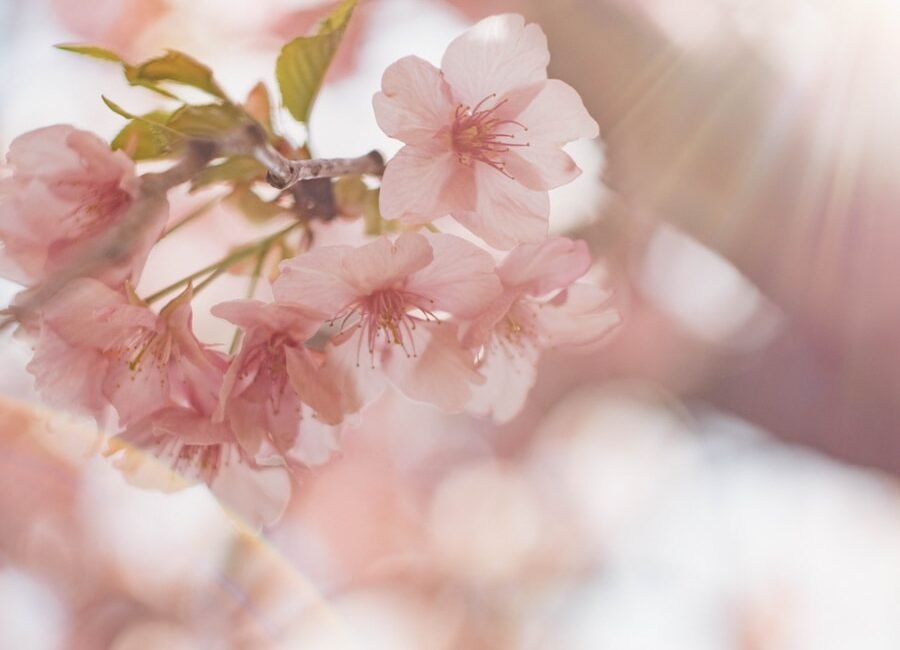

Winter flowering trees are a beautiful addition to any landscape, bringing color and life to an otherwise dreary season. These trees are a welcome sight during the cold months, providing a burst of color and fragrance when most other plants are dormant. From delicate cherry blossoms to vibrant camellias, there are a wide variety of winter flowering trees to choose from, each with its own unique beauty. Whether you live in a cold climate or just want to add some winter interest to your garden, winter flowering trees are a great choice for any outdoor space.
Winter flowering trees are not only visually stunning, but they also provide important benefits to the environment and wildlife. These trees can attract pollinators such as bees and butterflies, helping to support local ecosystems even in the coldest months. Additionally, the flowers of winter flowering trees can provide a vital food source for birds and other wildlife during the winter when other food sources may be scarce. By planting winter flowering trees in your yard, you can help support local biodiversity and create a more vibrant and healthy ecosystem.
Benefits of Flowering Trees in Winter
The benefits of winter flowering trees extend beyond their visual appeal. These trees can also provide important environmental benefits, such as improving air quality and providing habitat for wildlife. The flowers of winter flowering trees can help to purify the air by removing pollutants and toxins, making the air in your yard cleaner and healthier. Additionally, the presence of winter flowering trees can help to support local wildlife by providing food and shelter during the cold months.
In addition to their environmental benefits, winter flowering trees can also have a positive impact on our mental and emotional well-being. The sight of colorful blooms against a backdrop of snow and ice can lift our spirits and bring joy during the long winter months. Studies have shown that exposure to nature, including the sight and scent of flowers, can reduce stress and anxiety, improve mood, and promote overall well-being. By planting winter flowering trees in your yard, you can create a more beautiful and uplifting outdoor space for yourself and your community.
Types of Flowering Trees That Thrive in Cold Weather
There are many types of flowering trees that thrive in cold weather, each with its own unique characteristics and beauty. Some popular choices for winter flowering trees include cherry blossoms, witch hazel, camellias, and winter jasmine. Cherry blossoms are known for their delicate pink or white flowers that bloom in early spring, creating a stunning display against the backdrop of snow. Witch hazel is another popular choice, with its spidery yellow or red flowers that bloom in late winter or early spring. Camellias are prized for their large, showy flowers that come in a variety of colors, including pink, red, and white. Winter jasmine is a hardy shrub with bright yellow flowers that bloom in late winter, adding a cheerful pop of color to the winter landscape.
In addition to these popular choices, there are many other types of winter flowering trees to consider, each with its own unique beauty and characteristics. When choosing a winter flowering tree for your yard, it’s important to consider factors such as your climate, soil type, and available space. By selecting the right tree for your specific conditions, you can ensure that it will thrive and provide years of beauty and enjoyment.
Tips for Caring for Flowering Trees in Winter
Caring for flowering trees in winter requires some special attention to ensure that they remain healthy and vibrant throughout the cold months. One important consideration is protecting the trees from harsh winter weather, such as strong winds, heavy snow, and freezing temperatures. To protect your flowering trees from these elements, consider wrapping them in burlap or other protective material to shield them from the worst of the weather. Additionally, it’s important to water your flowering trees regularly during the winter, especially if there is little natural precipitation. Even though the trees may be dormant, they still need water to survive, so be sure to check the soil moisture regularly and water as needed.
Another important aspect of caring for flowering trees in winter is pruning. While it’s best to prune most trees in late winter or early spring, some winter flowering trees may benefit from light pruning during the dormant season. This can help to shape the tree and encourage healthy growth once spring arrives. However, it’s important to be cautious when pruning in winter, as excessive or improper pruning can damage the tree and reduce its ability to flower in the spring. If you’re unsure about how to prune your winter flowering trees, consider consulting with a professional arborist or horticulturist for guidance.
Best Locations for Planting Winter Flowering Trees
When planting winter flowering trees, it’s important to choose the right location to ensure that they thrive and provide maximum visual impact. One important consideration is sunlight – most winter flowering trees prefer full sun or partial shade, so be sure to choose a location that receives plenty of sunlight throughout the day. Additionally, it’s important to consider soil conditions – most winter flowering trees prefer well-drained soil that is rich in organic matter. If your soil is heavy or poorly drained, consider amending it with compost or other organic matter to improve its texture and fertility.
Another important consideration when choosing a location for planting winter flowering trees is proximity to other plants and structures. Be sure to plant your trees away from buildings, fences, and other structures to allow for adequate air circulation and prevent damage from falling branches or roots. Additionally, consider the overall design and layout of your landscape when choosing a location for planting winter flowering trees – think about how the trees will fit into the overall aesthetic of your yard and how they will complement other plants and features.
How to Incorporate Winter Flowering Trees into Your Landscape
There are many ways to incorporate winter flowering trees into your landscape to create a beautiful and vibrant outdoor space. One popular option is to plant them as focal points or specimen plants in prominent locations where they can be enjoyed and admired. For example, consider planting a cherry blossom tree near a patio or seating area where its beautiful blooms can be appreciated up close. Another option is to plant them in groups or clusters to create a more dramatic display – for example, planting several witch hazel shrubs together can create a stunning mass of colorful blooms that will brighten up even the dreariest winter day.
In addition to planting them as standalone features, consider using winter flowering trees as part of a mixed border or foundation planting. By combining them with other plants that provide interest during the winter months, such as evergreen shrubs or ornamental grasses, you can create a dynamic and visually appealing landscape that looks great year-round. Another option is to use them as part of a seasonal display – for example, planting them alongside early spring bulbs such as snowdrops or crocuses can create a beautiful transition from winter to spring.
Other Winter Plants That Complement Flowering Trees
In addition to winter flowering trees, there are many other types of plants that can complement them and create a beautiful and diverse landscape during the cold months. One popular option is to plant evergreen shrubs alongside winter flowering trees to provide year-round interest and structure. Evergreen shrubs come in a wide variety of shapes, sizes, and colors, making them a versatile choice for any landscape. Additionally, consider incorporating ornamental grasses into your landscape – their graceful forms and delicate seed heads can add movement and texture to the garden during the winter months.
Another option is to plant early spring bulbs alongside winter flowering trees to create a seamless transition from winter to spring. Bulbs such as snowdrops, crocuses, and daffodils can provide a burst of color and fragrance as they emerge from the ground in early spring, complementing the blooms of the winter flowering trees. Additionally, consider incorporating hellebores into your landscape – these hardy perennials produce beautiful flowers in shades of pink, purple, white, and green that can brighten up even the coldest days.
In conclusion, winter flowering trees are a beautiful and valuable addition to any landscape, providing color, fragrance, and environmental benefits during the cold months. By choosing the right types of trees for your climate and caring for them properly throughout the winter season, you can enjoy their beauty for years to come. Additionally, by incorporating them into your landscape alongside other winter plants that complement them, you can create a diverse and visually appealing outdoor space that looks great year-round. Whether you live in a cold climate or just want to add some winter interest to your garden, consider planting winter flowering trees to create a more beautiful and vibrant outdoor space for yourself and your community.