
Zinnia flowers have a rich and fascinating history that dates back to the 18th century. The flower is native to Mexico and was first discovered by German botanist Johann Gottfried Zinn, after whom the flower is named. Zinnias were initially brought to Europe in the 1700s, where they quickly gained popularity for their vibrant colors and easy cultivation. The flower’s popularity continued to grow, and by the 19th century, zinnias had become a staple in gardens across Europe and the United States. Today, zinnias are widely cultivated and are a favorite among gardeners for their long-lasting blooms and low maintenance.
The history of zinnia flowers is also closely tied to their use in traditional medicine. In Mexico, zinnias were used by indigenous peoples to treat a variety of ailments, including fevers and infections. The flower’s medicinal properties were later recognized by European settlers, who used zinnias to make herbal remedies. While zinnias are no longer widely used in modern medicine, their historical significance as a healing plant is still remembered and celebrated.
The Symbolism of Zinnia Flowers
Zinnia flowers are rich in symbolism and hold different meanings in various cultures. In general, zinnias are often associated with thoughts of endurance, lasting affection, and constancy. The flower’s vibrant colors and long-lasting blooms have made it a symbol of endurance and perseverance in the face of adversity. In Victorian times, zinnias were often given as a gift to convey a message of lasting affection and loyalty. The flower’s ability to thrive in harsh conditions has also led to its association with resilience and strength.
In addition to their symbolism of endurance, zinnia flowers also hold different meanings based on their colors. For example, red zinnias are often associated with passion and love, while yellow zinnias symbolize friendship and joy. White zinnias are often seen as a symbol of purity and innocence, while purple zinnias are associated with royalty and admiration. The diverse symbolism of zinnia flowers has made them a popular choice for bouquets and floral arrangements, as they can convey a wide range of emotions and sentiments.
The Characteristics of Zinnia Flowers
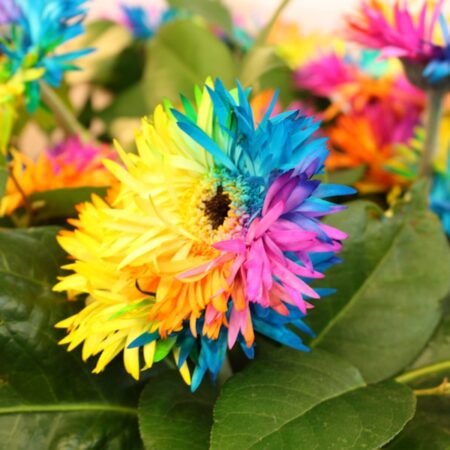
Zinnia flowers are known for their vibrant colors, long-lasting blooms, and easy cultivation. These annual plants belong to the Asteraceae family and are native to Mexico. Zinnias come in a wide range of colors, including red, orange, yellow, pink, purple, and white, making them a popular choice for gardeners looking to add a pop of color to their landscapes. The flowers typically have a daisy-like appearance with multiple layers of petals, giving them a cheerful and vibrant look.
One of the most appealing characteristics of zinnia flowers is their ability to thrive in various growing conditions. They are known for their tolerance to heat and drought, making them an excellent choice for gardens in hot climates. Zinnias also have a long blooming period, with some varieties producing flowers from early summer until the first frost. This extended blooming season makes them a favorite among gardeners looking for low-maintenance plants that provide continuous color throughout the growing season.
Zinnia Flowers in Art and Literature
Zinnia flowers have been a popular subject in art and literature for centuries, thanks to their vibrant colors and cheerful appearance. In art, zinnias have been depicted in paintings, drawings, and other forms of visual art as a symbol of beauty, vitality, and joy. Artists have been drawn to the flower’s bold colors and intricate petals, using them as a subject to convey feelings of happiness and optimism. Zinnias have also been featured in still-life paintings, where they are often arranged in bouquets or vases to showcase their beauty.
In literature, zinnia flowers have been used as a symbol of endurance and perseverance. Writers have often drawn parallels between the flower’s ability to thrive in harsh conditions and the human spirit’s resilience in the face of adversity. Zinnias have been featured in poems, novels, and other forms of literature as a representation of strength, hope, and determination. Their vibrant colors and long-lasting blooms have made them a popular choice for writers looking to convey messages of optimism and perseverance.
Zinnia Flowers in Different Cultures
Zinnia flowers hold different meanings and significance in various cultures around the world. In Mexico, where the flower is native, zinnias are often associated with thoughts of endurance, lasting affection, and constancy. The flower’s vibrant colors and long-lasting blooms have made it a symbol of resilience and strength in Mexican culture. Zinnias are also used in traditional celebrations and festivals as decorations to add color and vibrancy to the festivities.
In Victorian times, zinnias were often given as a gift to convey a message of lasting affection and loyalty. The flower’s ability to thrive in harsh conditions has also led to its association with resilience and strength in Western cultures. In Eastern cultures, zinnia flowers are often seen as a symbol of beauty, vitality, and joy. They are used in traditional ceremonies and rituals as decorations to bring happiness and good fortune.
How to Grow and Care for Zinnia Flowers
Zinnia flowers are relatively easy to grow and care for, making them a popular choice for gardeners of all skill levels. These annual plants thrive in full sun and well-drained soil, making them an excellent choice for gardens in hot climates. Zinnias can be grown from seeds or transplants, with seeds being sown directly into the garden after the last frost date. The plants should be spaced about 6-18 inches apart, depending on the variety, to allow for proper air circulation and growth.
Once established, zinnias require minimal maintenance to thrive. They should be watered regularly, especially during dry periods, but be careful not to overwater as this can lead to root rot. Deadheading spent blooms will encourage the plant to produce more flowers throughout the growing season. Fertilizing zinnias with a balanced fertilizer every 4-6 weeks will help promote healthy growth and abundant blooms. With proper care, zinnia flowers will reward gardeners with vibrant colors and long-lasting blooms from early summer until the first frost.
Zinnia Flowers as a Representation of Endurance and Perseverance
Zinnia flowers have long been seen as a representation of endurance and perseverance due to their ability to thrive in harsh conditions. The flower’s vibrant colors and long-lasting blooms have made it a symbol of resilience and strength in many cultures around the world. Zinnias are often used in floral arrangements to convey messages of hope, optimism, and determination.
In addition to their symbolism of endurance, zinnia flowers also serve as a reminder of the beauty that can emerge from adversity. The flower’s ability to thrive in hot climates and poor soil conditions has made it a popular choice for gardeners looking for low-maintenance plants that provide continuous color throughout the growing season. Zinnias are also known for attracting butterflies and other pollinators, adding an element of joy and vitality to any garden.
In conclusion, zinnia flowers have a rich history that dates back to the 18th century when they were first discovered by German botanist Johann Gottfried Zinn. The flower’s vibrant colors and long-lasting blooms have made it a popular choice for gardeners looking to add a pop of color to their landscapes. Zinnias hold different meanings in various cultures around the world, often symbolizing endurance, lasting affection, and constancy. These annual plants are relatively easy to grow and care for, thriving in full sun and well-drained soil. Zinnia flowers serve as a representation of endurance and perseverance due to their ability to thrive in harsh conditions, making them a popular choice for gardeners looking for low-maintenance plants that provide continuous color throughout the growing season.